Articles and Lists
Why Not Every New Shonen Series Needs to Be Dark
Advertisement
Summary
- There's a trend of darker shonen anime series, like Chainsaw Man and Jujutsu Kaisen, challenging the traditional light tone.
- Darkness has its place in shonen, but it wasn't meant to be the norm.
- Industry-produced light shonen series like Spy x Family aim to effectively balance the prevalence of darker shonen series.
Most anime fans will agree that the shonen demographic is the most popular in the entire industry and seems to have more cross-demographic appeal than its shojo, seinen, and josei counterparts. With series like Dragon Ball, Pokémonand One piece In short, fans might say that shonen is the face of anime, so it's a big issue whenever the shonen demographic undergoes any change for better or for worse. Or shonen anime might change in more subjective ways, and that will fuel fan debate on topics like whether shonen is becoming too dark, like the popular "dark trio."
There's a balancing act that manga and shonen anime must strike, and while fans have differing opinions and preferences on this, it's clear that if shonen veers too far in one direction or another, problems can arise. For example, there's a growing trend for shonen anime series to be dark, addressing dark themes and using horror to tell a story. When used in moderation, this trend results in fantastic series such as... Jujutsu Kaisen and Chainsaw ManBut darkness should be the exception in shonen, not the rule. No matter how modern dark shonen may be, it shouldn't take over and become the new norm.

10 Most Underrated Shonen Anime, Ranked
Shonen anime is incredibly popular, but there are several top-notch series that are routinely overlooked and don't get the attention they deserve.
Why Shonen is usually light and cheerful, not dark
Fans need something refreshing and hopeful to watch.
Even the most cheerful and fun shonen anime series sometimes maintain a narrative based on some relatively dark scenes or stories – no anime is naive enough to act as if such things never existed. Still, these series are predominantly light and positive, with dark stories and scenes being the exception to the rule, and this has been the norm for shonen anime. These series add a bit of darkness to give the series some emotional and thematic weight here and there, giving more depth to the story and making the characters seem more complete or layered.
The examples are many, from Naruto Uzumaki's suffering in the Hidden Leaf Village to Ash Ketchum, in tears, letting his Pokémon go to find its own future elsewhere. In fact, these scenes sometimes become fan favorites because they stand out in a lighthearted narrative. There are good reasons why shonen anime are mostly lighthearted, at least in older generations. Shonen anime, as its Japanese name suggests, is aimed at a younger male audience, the equivalent of children watching cartoons on Saturday mornings where comedy, fun, and adventure define the narrative, not tears or suffering.
Shonen manga and anime writers don't treat their audience condescendingly or as if they were completely naive, but even so, these creators know that this audience wants something fun and inspiring to watch—stories of heroes saving the day by defeating evil. Thus, shonen anime favors light and positive narratives over darker ones, making only small concessions to grim realities about failure, death, heartbreak, and so on. Positive shonen anime series will respect their audience and acknowledge these things, but won't dwell on them for long.
It may not be a hard and fast rule that shonen manga/anime must be about lovable heroes who regularly save the day from villains and energize viewers with cartoonish action scenes, but it's certainly the norm, and anime fans of all ages expect it. PokemonFor example, young heroes like Ash Ketchum travel the world in a shonen trio and charm fans with their time and again victories over villains and bullies. Ash proves that friendship, honest work, and love are always stronger than exploitation or arrogance in his Pokémon battles, and this is just the beginning.
naruto It may have famous dark scenes like the Pain arc and Jiraiya's death, but in that shonen anime, goodness and love always defeat evil and hatred, from Naruto redeeming Gaara with his famous talk jutsu to the world achieving true peace through understanding, instead of Madara's Infinite Tsukuyomi. In short, anime fans of all ages watch shonen anime because they want good vibes and, based on industry norms, shonen is the most reliable way to get those vibes.
Shonen anime offers a refreshing break from the moral ambiguity, hardships, and complexities of real life, giving fans a serious sense of escapism as lovable heroes use friendship and hope to defeat evil and save the day. For younger fans, it's a good way to learn empowering lessons, and for older anime fans, it's an outlet and can even inspire them to face the challenges of their own lives with invigorating optimism and vigor. Despite this paradigm, there is still a growing trend of dark shonen.
2:13

10 Anime That Need to Get Darker to Improve
While not all series need to be dark, some modern anime like Black Clover or MHA could benefit from embracing bolder storytelling.
Dark Anime Series Challenges Shonen Norms and Balance
Darkness should be the exception in Shonen, not the rule.
The dark shonen anime series does not completely While it has taken control of the demographics, fans have certainly noticed that some of the most popular and memorable new shonen series are predominantly dark, with lighthearted ones being the exceptions. This inverts the shonen formula and, when done sparingly, can be an exciting experiment in the demographics while giving fans something new to watch. That's why there's a new dark trio as a counterpart to the classic shonen big three, and that's not all.
The dark trio launches this trend with Chainsaw Man, Jujutsu Kaisenhabit Paradise from Hellwhile fans can even add Demon Slayer as the fourth member of this group. Demon Slayer may have more comedy and a cartoonish visual style, but it's still quite dark, with the premiere episode "Cruelty" being a nightmarish introduction to Demon Slayer The existence and popularity of these more recent shonen anime series prove that the shonen demographic benefits from adding a touch of darkness to keep things grounded and more rounded, but the real question is how much is enough.
On one hand, shonen anime could face an identity crisis if darkness becomes the new norm, particularly action/adventure anime where violence and pain are easy to write. It's a balancing act between light and dark, and ideally, predominantly dark anime will remain the minority, existing only to make mainstream light anime shine much more brightly as a rule. Not every new action anime needs to be the next one. Chainsaw Man or Jujutsu Kaisenespecially since not everyone is interested in it.
Fans of lighter, more traditional shonen action anime also need something to watch, so the industry must be careful to continue producing these series alongside the darker ones. In a way, producing new, darker shonen action anime is an act of subversion, even if a particular series isn't intended to be subversive. Chainsaw Man Yes. With light being the rule of shonen, writing a dark but appealing anime like that is... Jujutsu Kaisen It's a partial subversion, a twist not on the content of shonen anime, but on its tone.
The trick is to do it in moderation and well, so darkness in shonen anime remains the exception to prove the rule and nothing more. Thus, it is essential for the industry to maintain mostly lighthearted anime and ensure that each season and year of anime features many lighter and more inspiring shonen action anime, in the same vein as comedy. Dragon Ball and even PokémonAnime fans from Generation Z, Generation Y, and older have now grown up enough to appreciate the darkness in anime and have let go of their... Pokemon days, but each new year and decade brings younger anime fans who need an Ash Ketchum to root for, not a Denji.

10 Best Shonen Anime Since 2020, Ranked
Shonen has seen a surge in popularity beyond its core demographic, especially in the West, and many incredible anime have premiered in the 2020s.
The anime industry has new, lighthearted anime to keep the darkness at bay.
It is important to keep this rule in place.
The shonen anime industry is still producing many action/adventure series that keep the rule alive with positive, inspiring, and often comical narratives in a vein more or less similar to Pokémon and Dragon BallEven though these series also have their dark and serious side to keep things grounded. These series don't bombard their viewers with simplistic "good versus evil" narratives, like shows such as Freeze demonstrate with its emotional weight.
Darkness will always be present in shonen, but the key is that darkness is only a small element of what makes these shonen anime series work. Several recent examples put friendship, hope, comedy, and adventure at the forefront, and that's what anime needs. Given the moderate to high popularity of these series, it's clear that, in fact, not all new shonen series need to be predominantly dark, nor should they be.
An example is Spy vs. Family, which combines a variety of genres into one, from familiar tropes to espionage intrigue and school life, and there's almost no darkness to be found, just jokes about peanuts and Yor's terrible domestic skills. Then there's Mashle: Magic and Muscles, a comedy that challenges the Muggle world's discrimination with hope, vigor, and invigorating friendship with its himbo hero, Mash Burnedead. Even the Freeze: Journey's End The anime, which made fans cry in its first episode, is about friendship, love and finding a positive purpose in life, not sinking into despair.
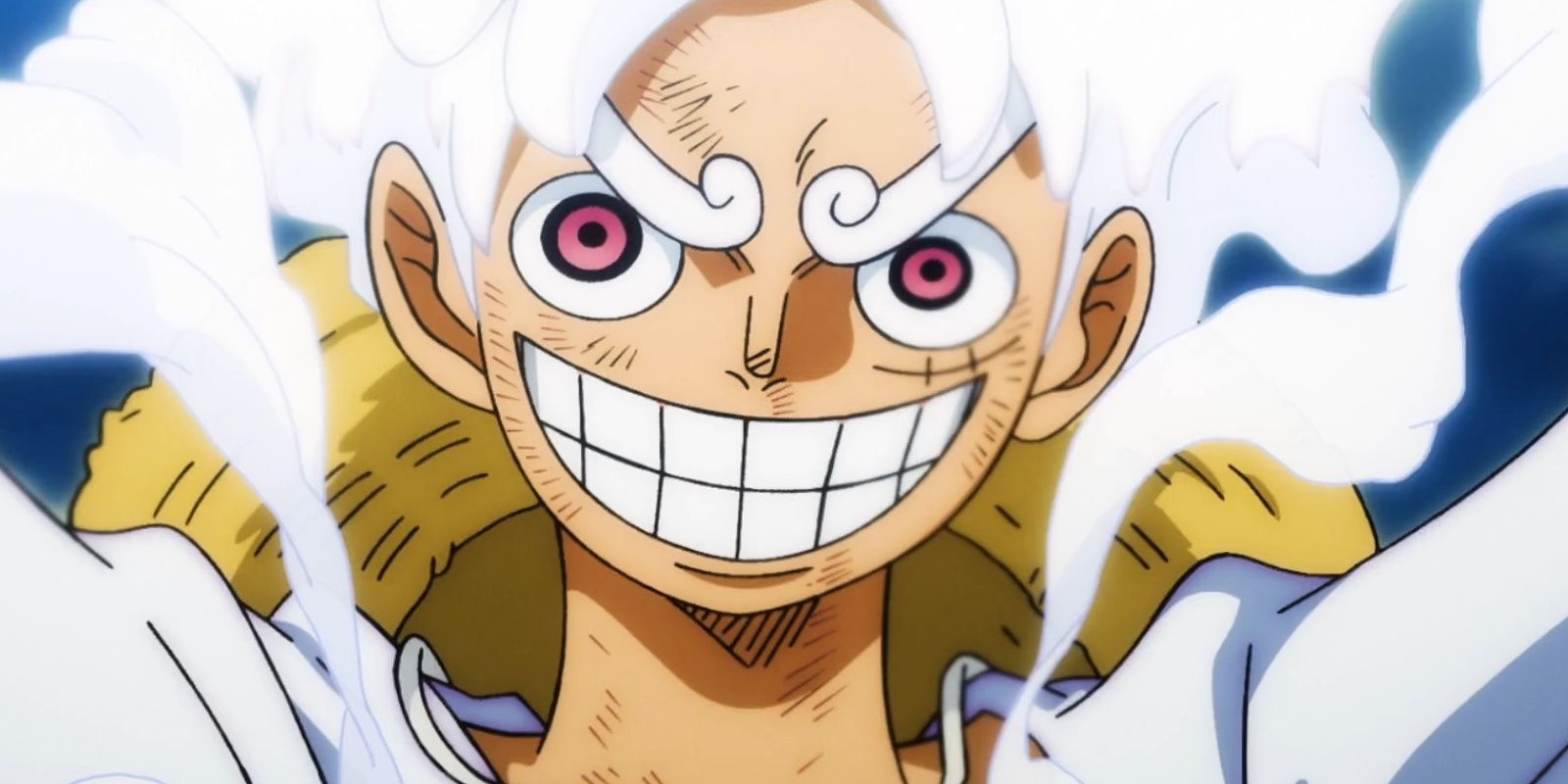
Frieren, the elf, takes control of her eternal happiness by finding value in friends like Fern and Stark, meaning this anime knows how to tame its darkness instead of making it a gratuitous selling point. Something similar can be said about the comedy. Undead Luck...with protagonists who each sought their own death at some point. Ultimately, the core demographic of shonen anime is boys, and there's no need to instill a sense of cynicism and darkness in them when heroes like Deku, Naruto, Luffy, and Goku are out there trying to be a light.